
 By Daniel Mercer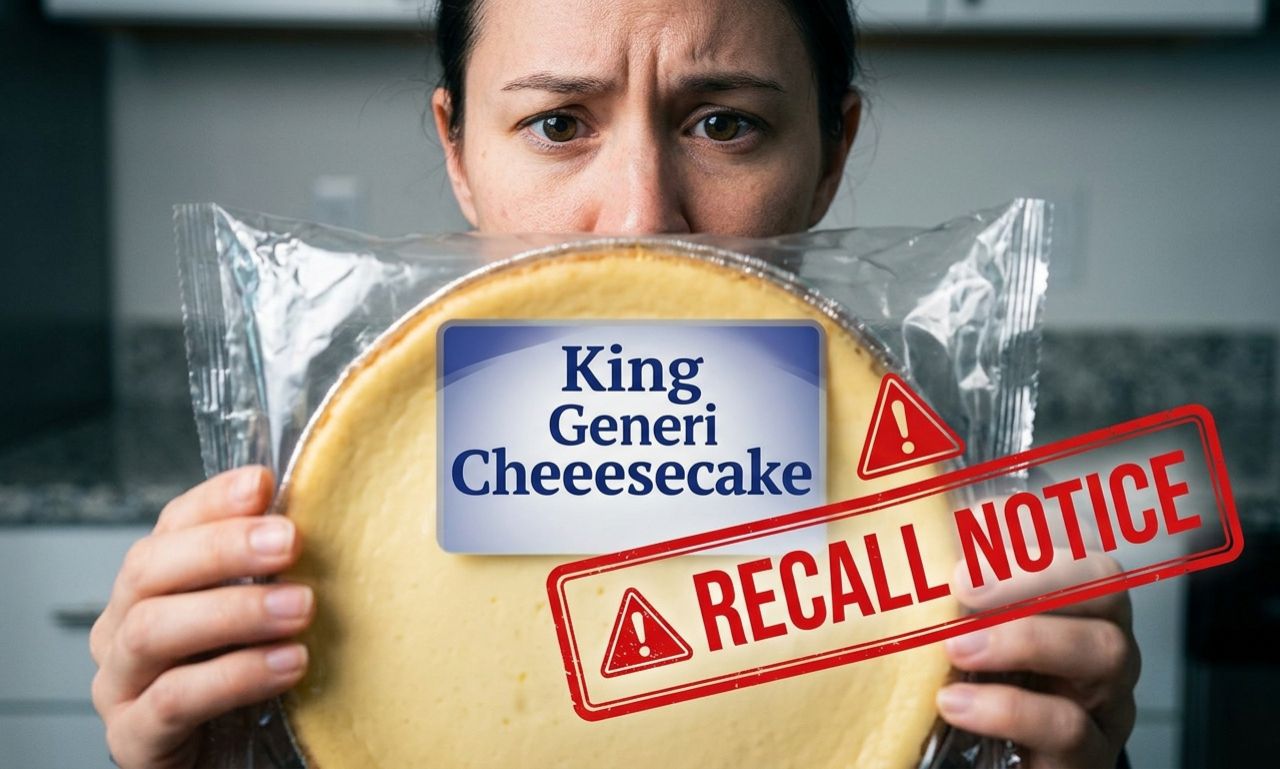
The King Cheesecake Recall has become a major topic of discussion among consumers, retailers, and food safety experts. Food recalls play a critical role in protecting public health, ensuring that potentially unsafe products are removed from the market before causing widespread harm. When a beloved dessert product becomes the subject of a recall, it naturally raises questions about quality control, manufacturing standards, and consumer confidence.
In this comprehensive guide, we examine the King Cheesecake Recall, its significance, the reasons recalls occur, and the lessons consumers and manufacturers can learn from such events.
Understanding the King Cheesecake Recall
The King Cheesecake Recall refers to the withdrawal of specific cheesecake products from distribution channels due to concerns related to food safety, labeling accuracy, ingredient compliance, or manufacturing issues. While recalls can vary in scope and severity, their primary objective is always the protection of consumers.
Food manufacturers operate under strict regulations designed to ensure product safety. Despite rigorous testing and quality assurance measures, occasional issues may arise that require immediate corrective action. In these situations, a recall serves as an important mechanism to prevent potentially affected products from reaching consumers or remaining in circulation.
The King Cheesecake Recall highlights the importance of proactive monitoring and rapid response within the food industry.
Why Food Recalls Happen
To better understand the King Cheesecake Recall, it is important to recognize the common reasons behind food recalls.
Contamination Concerns
One of the most frequent causes of food recalls involves contamination. This may include:
- Bacterial contamination
- Foreign materials
- Chemical contaminants
- Environmental exposure during production
Even a minor contamination risk can trigger a recall if consumer safety may be affected.
Undeclared Allergens
Food allergies represent a serious health concern worldwide. Products containing undeclared allergens such as:
- Milk
- Eggs
- Wheat
- Soy
- Tree nuts
- Peanuts
may require immediate recall. Accurate ingredient labeling is essential because even small amounts of allergens can lead to severe reactions in sensitive individuals.
Packaging and Labeling Errors
Incorrect packaging or inaccurate labels can create confusion and potential health risks. A recall may occur if products are distributed with misleading ingredient information, incorrect nutritional details, or missing allergen warnings.
Manufacturing Defects
Production equipment malfunctions, improper storage conditions, or deviations from established food safety protocols can also result in recalls. Manufacturers are expected to identify and address such issues quickly to maintain compliance and consumer trust.
The Importance of the King Cheesecake Recall for Consumers
The King Cheesecake Recall serves as a reminder that food safety systems are designed to prioritize public health. While recalls can generate concern, they also demonstrate that monitoring systems are functioning as intended.
Consumers benefit from recalls because they:
- Remove potentially unsafe products from circulation
- Increase transparency within the food industry
- Encourage higher manufacturing standards
- Promote accountability among producers
- Protect vulnerable populations
The swift handling of recall situations helps minimize potential risks and reinforces confidence in food safety oversight.
How Consumers Should Respond to a King Cheesecake Recall
Whenever a food recall is announced, consumers should take immediate steps to determine whether they have purchased affected products.
Check Product Information
Consumers should review:
- Product names
- Batch numbers
- Manufacturing dates
- Expiration dates
- Package descriptions
Matching these details against official recall notices can help identify affected items.
Avoid Consumption
If a product is included in the King Cheesecake Recall, consumers should avoid consuming it until additional guidance is provided.
Follow Return Instructions
Manufacturers and retailers often provide specific instructions regarding refunds, replacements, or disposal procedures. Following these recommendations ensures proper handling of recalled products.
Monitor Official Updates
Recall situations may evolve as investigations continue. Staying informed through official announcements helps consumers access the most current information.
The Impact of the King Cheesecake Recall on Brand Reputation
A recall can have significant consequences for any food manufacturer. The King Cheesecake Recall demonstrates how product quality issues can affect customer perception and business performance.
Consumer Trust Challenges
Trust is one of the most valuable assets in the food industry. A recall may lead consumers to question production standards and product reliability.
Financial Implications
Recalls often involve:
- Product retrieval costs
- Investigation expenses
- Legal compliance measures
- Supply chain disruptions
- Revenue losses
The financial burden can be substantial, particularly when recalls affect large distribution networks.
Long-Term Recovery Efforts
Successful recovery typically requires:
- Transparent communication
- Enhanced quality assurance programs
- Strong customer support initiatives
- Continuous safety improvements
Brands that respond effectively can often rebuild consumer confidence over time.
Food Safety Standards and the King Cheesecake Recall
The King Cheesecake Recall highlights the importance of robust food safety frameworks. Modern food production relies on comprehensive systems designed to identify and control risks throughout the manufacturing process.
Quality Control Procedures
Food manufacturers implement multiple quality checkpoints, including:
- Raw ingredient inspections
- Production monitoring
- Laboratory testing
- Packaging verification
- Distribution oversight
These measures help identify potential issues before products reach consumers.
Regulatory Compliance
Manufacturers must comply with various food safety regulations covering:
- Sanitation practices
- Labeling requirements
- Traceability systems
- Hazard prevention controls
Compliance plays a critical role in reducing recall risks and maintaining product integrity.
Employee Training
Well-trained employees contribute significantly to food safety. Ongoing education helps workers identify potential hazards and follow established procedures consistently.
Lessons Learned from the King Cheesecake Recall
Every recall provides valuable insights for both manufacturers and consumers.
The Importance of Transparency
Open communication helps maintain public confidence during recall situations. Companies that provide clear, timely information are often better positioned to manage consumer concerns.
Strengthening Preventive Measures
Recalls frequently lead organizations to reevaluate:
- Supplier management practices
- Testing protocols
- Production procedures
- Risk assessment strategies
These improvements can reduce the likelihood of future incidents.
Consumer Awareness Matters
Consumers play an active role in food safety by staying informed, reviewing product information, and responding appropriately to recall notices.
The Future of Food Safety After the King Cheesecake Recall
Advancements in technology continue to transform food safety practices across the industry.
Enhanced Traceability Systems
Modern tracking systems allow manufacturers to quickly identify affected products and limit recall scope.
Data-Driven Monitoring
Artificial intelligence and predictive analytics are increasingly used to detect potential issues before products enter the marketplace.
Improved Supply Chain Visibility
Greater transparency throughout supply chains helps manufacturers maintain quality standards and respond more effectively to emerging concerns.
Consumer-Centric Safety Approaches
Future food safety initiatives are expected to place even greater emphasis on consumer protection, communication, and accountability.
Conclusion
The King Cheesecake Recall underscores the critical importance of food safety, quality control, and responsible manufacturing practices. While recalls can be disruptive, they serve a vital purpose by protecting consumers and reinforcing industry standards. Through transparent communication, rigorous testing, and continuous improvement, manufacturers can strengthen public trust and reduce the likelihood of future incidents.
For consumers, staying informed and responding promptly to recall announcements remains one of the most effective ways to ensure personal safety. The lessons derived from the King Cheesecake Recall will continue to influence food safety practices and encourage higher standards across the industry, ultimately benefiting everyone involved in the production and consumption of food products.