
 By Daniel Mercer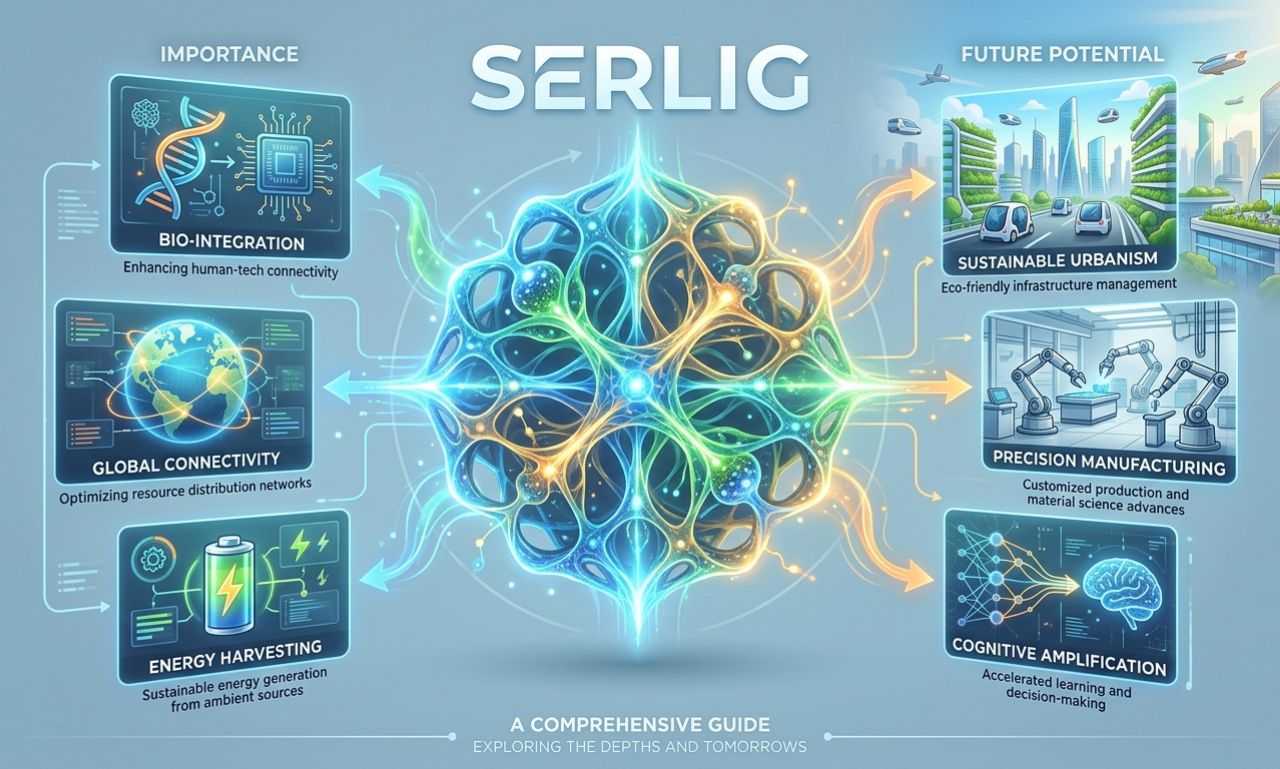
In today’s rapidly evolving digital landscape, new concepts, platforms, and technologies emerge almost daily. One such term gaining attention is Serlig. While many people are still unfamiliar with the concept, interest in Serlig continues to grow as businesses, professionals, and technology enthusiasts explore its potential applications. Whether you’re hearing about Serlig for the first time or looking to deepen your understanding, this guide will provide valuable insights into its purpose, benefits, and future possibilities.
As industries become increasingly interconnected through digital transformation, solutions like Serlig represent the next wave of innovation. Understanding its role can help organizations and individuals stay ahead of emerging trends while maximizing opportunities in a competitive marketplace.
What Is Serlig?
Serlig is a term that has attracted attention due to its association with innovation, efficiency, and modern technological solutions. Although interpretations may vary depending on the industry or context, Serlig is often viewed as a framework, platform, or concept designed to improve processes, communication, and productivity.
The growing popularity of Serlig stems from its flexibility and adaptability. Unlike rigid systems that serve only one purpose, Serlig can be applied across multiple sectors, making it relevant to businesses of all sizes. As organizations continue searching for smarter ways to operate, concepts like Serlig offer fresh opportunities for optimization and growth.
Another reason for the increasing interest in Serlig is its potential to simplify complex operations. In a world where efficiency determines success, tools and methodologies that streamline workflows are becoming highly valuable.
The Evolution of Serlig
Early Development of Serlig
The concept of Serlig emerged as organizations recognized the need for more integrated and efficient systems. Traditional approaches often relied on separate tools and disconnected processes, leading to inefficiencies and communication gaps.
As technology advanced, the demand for unified solutions increased. Serlig evolved to address these challenges by creating more cohesive environments where information, resources, and workflows could function together seamlessly. This evolution reflects a broader trend toward digital integration and smarter business operations.
Over time, Serlig gained recognition for its ability to adapt to changing market demands. Rather than remaining static, it continues to evolve alongside technological advancements, making it relevant in a constantly changing landscape.
How Serlig Has Adapted to Modern Needs
Modern businesses face challenges that did not exist a decade ago. Remote work, digital collaboration, data management, and cybersecurity have become critical concerns. Serlig addresses many of these issues by emphasizing flexibility, connectivity, and efficiency.
Organizations increasingly require solutions that can scale with growth while maintaining performance. Serlig provides a foundation that supports expansion without introducing unnecessary complexity. This adaptability makes it attractive for startups, established enterprises, and everything in between.
The ability to evolve with emerging technologies also ensures that Serlig remains a forward-looking concept rather than becoming obsolete as trends change.
Key Features of Serlig
Enhanced Efficiency
One of the primary advantages of Serlig is its focus on improving efficiency. By streamlining workflows and reducing redundant tasks, organizations can save valuable time and resources.
Efficiency improvements often translate directly into increased productivity. Employees spend less time navigating complicated systems and more time focusing on meaningful work. This shift creates better outcomes for both organizations and their customers.
In competitive industries, even small efficiency gains can provide significant advantages. Serlig helps businesses achieve these improvements while maintaining operational consistency.
Improved Collaboration
Effective collaboration is essential for success in today’s interconnected world. Serlig promotes communication and teamwork by providing frameworks that encourage information sharing and coordination.
When teams work together more effectively, projects move forward faster and with fewer obstacles. Improved collaboration also enhances creativity by allowing individuals to contribute diverse perspectives and ideas.
Organizations that embrace collaborative environments often experience stronger employee engagement and higher overall performance. Serlig supports these outcomes by creating structures that facilitate cooperation.
Scalability and Flexibility
Scalability is a crucial consideration for growing organizations. A solution that works well for a small team may struggle when applied to a larger workforce. Serlig addresses this challenge by offering scalable approaches that can expand alongside business growth.
Flexibility is equally important. Every organization has unique needs, and rigid systems rarely provide ideal solutions. Serlig’s adaptable nature allows businesses to customize its implementation according to specific objectives and requirements.
This combination of scalability and flexibility contributes significantly to its growing popularity across industries.
Benefits of Using Serlig
Increased Productivity
One of the most noticeable benefits of Serlig is increased productivity. By reducing inefficiencies and improving workflow management, organizations can accomplish more with the same resources.
Employees often experience fewer interruptions and smoother processes when working within a well-designed system. This environment allows them to focus on achieving goals rather than dealing with administrative challenges.
Higher productivity not only improves operational performance but also contributes to employee satisfaction and long-term business success.
Better Resource Management
Resource management is a critical aspect of organizational performance. Serlig helps businesses allocate time, personnel, and financial resources more effectively.
When resources are managed efficiently, organizations can reduce waste and maximize returns on investment. This optimization creates opportunities for sustainable growth and improved profitability.
Effective resource management also supports strategic decision-making by providing clearer insights into operational performance and future needs.
Enhanced Decision-Making
Decision-making relies heavily on access to accurate information. Serlig supports this process by facilitating data organization and communication across teams.
Leaders can make more informed decisions when they have a comprehensive understanding of organizational activities and performance metrics. Better information leads to better outcomes and reduces the likelihood of costly mistakes.
As data-driven strategies become increasingly important, the value of systems that support informed decision-making continues to grow.
Challenges Associated with Serlig
Implementation Complexity
Despite its advantages, implementing Serlig may present challenges. Organizations often need to invest time and effort to integrate new systems and processes successfully.
Change management can be particularly difficult when employees are accustomed to existing workflows. Effective training and communication are essential to ensure smooth adoption and maximize benefits.
Organizations that approach implementation strategically are more likely to achieve positive outcomes and long-term success.
Training Requirements
New technologies and methodologies typically require training. Employees need sufficient knowledge and skills to utilize Serlig effectively.
While training requires an initial investment, the long-term benefits often outweigh the costs. Well-trained teams are better equipped to leverage the full potential of Serlig and contribute to organizational success.
Providing ongoing support and educational resources can further enhance adoption and performance.
Industries That Can Benefit from Serlig
Business and Enterprise Solutions
Businesses of all sizes can benefit from the efficiency and scalability offered by Serlig. From project management to operational optimization, its applications are broad and versatile.
Organizations seeking competitive advantages often prioritize solutions that improve productivity and reduce operational complexity. Serlig aligns well with these objectives.
Technology Sector
The technology industry thrives on innovation and adaptability. Serlig supports these priorities by providing flexible frameworks that can evolve alongside technological advancements.
Technology companies frequently manage complex projects involving multiple teams and stakeholders. Serlig helps streamline communication and coordination in these environments.
Education and Research
Educational institutions and research organizations can also benefit from Serlig. Improved collaboration, resource management, and information sharing contribute to better outcomes for students, educators, and researchers.
As digital learning and remote collaboration become more common, solutions that support connectivity and efficiency are increasingly valuable.
The Future of Serlig
The future of Serlig appears promising as organizations continue seeking innovative ways to improve performance and adapt to changing market conditions. Advances in artificial intelligence, automation, and digital transformation are likely to create new opportunities for its application.
As businesses become more data-driven, the demand for solutions that support efficient operations and informed decision-making will continue to grow. Serlig is well-positioned to contribute to these developments by providing adaptable frameworks that align with modern organizational needs.
Future enhancements may include deeper integration with emerging technologies, expanded customization options, and improved user experiences. These advancements could further increase its relevance and adoption across industries.
Conclusion
Serlig represents a modern approach to efficiency, collaboration, and organizational improvement. Its adaptability, scalability, and focus on productivity make it a valuable concept for businesses, educational institutions, and technology-driven organizations. While implementation may require planning and training, the potential benefits often justify the investment.
As digital transformation continues to reshape industries worldwide, Serlig offers a framework for navigating change and achieving sustainable growth. Organizations that embrace innovative solutions like Serlig are more likely to remain competitive and prepared for future challenges.