
 By Daniel Mercer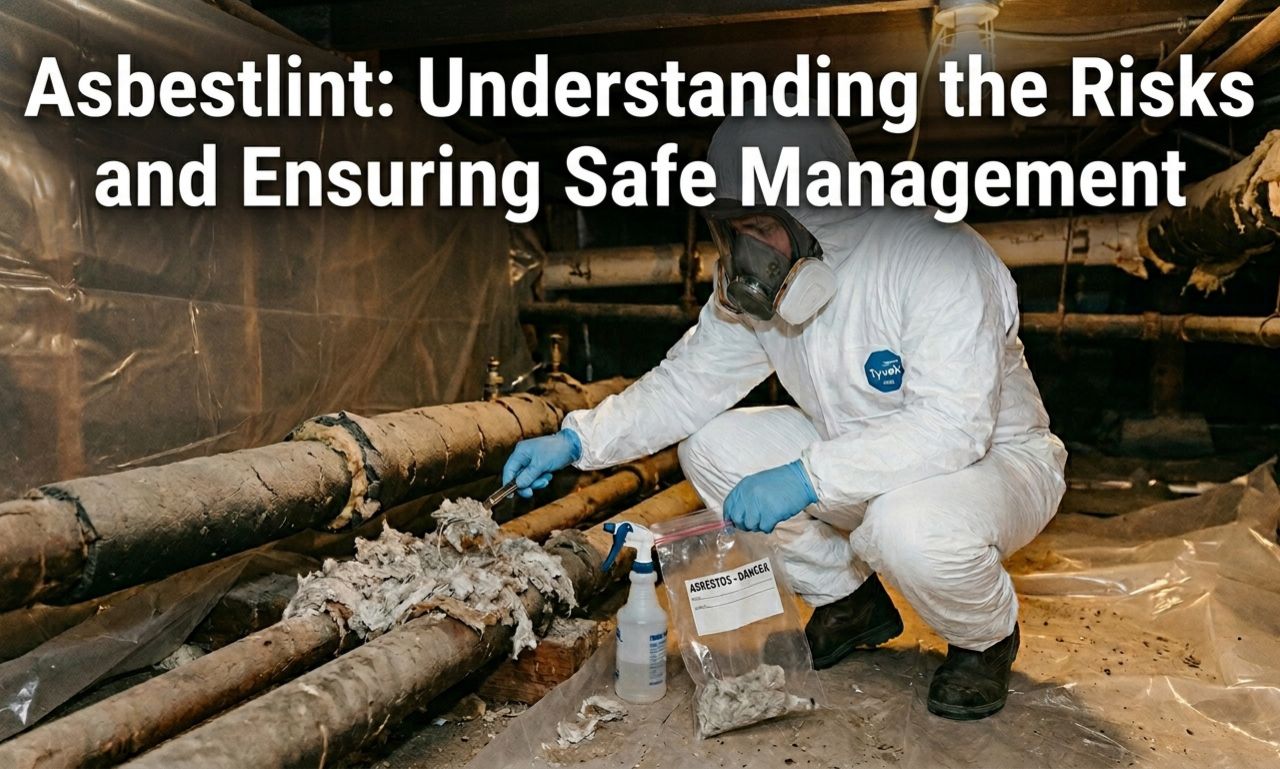
The term asbestlint is not a standard scientific or industrial classification. Rather, it is an informal term that has appeared in various online discussions and articles, often creating confusion. Generally, it refers to two distinct but related concepts: the first is asbestos tape, a fabric-like material used for insulation and fireproofing in older buildings; the second refers to lint-like asbestos dust or fibers that are released from damaged asbestos-containing materials . Understanding what asbestlint means, why it is dangerous, and how to manage it is crucial for anyone living in or renovating an older property. Because the word is informal, its meaning can shift based on context, making clear information essential for safety.
What Asbestlint Means
The word asbestlint is a hybrid, combining “asbestos” and “lint.” This combination describes either the fluffy, fibrous appearance of disturbed asbestos or a specific product . In many cases, the term is used synonymously with asbestos tape. This tape was a common product in the past, frequently applied to seal joints, wrap pipes, and insulate boilers and furnaces. Its durability and heat resistance made it a popular choice in construction before the health risks of asbestos were widely known. The other usage of the term describes the airborne dust and fibers from deteriorating asbestos insulation or other products. The “lint” comparison is apt because these microscopic, lightweight fibers can easily become airborne, similar to the dust bunnies found in a home.
Health Risks Associated with Asbestlint
Asbestos is a hazardous material because its fibers are dangerous when inhaled . The health risks associated with any material that may contain asbestos, including asbestlint, are severe and well-documented. The primary concern is that the fibers can be released into the air and inhaled, where they can become lodged in the lungs . The microscopic size and durability of asbestos fibers allow them to remain in the body for many years, leading to serious diseases . These diseases include asbestosis, a chronic lung disease causing scarring of lung tissue; lung cancer; and mesothelioma, a rare and aggressive cancer affecting the lining of the lungs and abdomen . A key danger is that symptoms often do not appear until decades after exposure, making prevention and proper management critical.
Identifying Asbestlint in Your Home
Identifying asbestlint presents a significant challenge because it cannot be identified by sight alone. Both asbestos tape and lint-like dust can appear similar to modern, safe materials. However, there are some general indicators. Asbestos tape often appears as a white, gray, or off-white cloth-like strip wrapped around pipes or ducts. It may look woven or fibrous and is frequently found in basements, boiler rooms, and attics . The “lint” form is often the result of these older materials becoming old, brittle, or damaged. Disturbing them can release particles that settle as a fine dust . It is essential to understand that visual inspection is not a reliable method for identification; laboratory analysis is required for a definitive diagnosis.
The Dangers of Disturbance and Safe Management
The most significant risk with any potential asbestlint material is releasing fibers into the air. For example, cutting, tearing, sanding, or even simply bumping old, crumbling asbestos tape can easily create airborne dust . Once fibers are airborne, they can be inhaled by anyone in the vicinity and can travel through a building via air currents and ventilation systems. This makes removal a highly sensitive task. The safe management of potential asbestlint requires a cautious approach. The first and most crucial step is to not disturb the material. If it is in good condition and not at risk of being damaged, the safest option is often to leave it alone. However, if the material is damaged or you are planning a renovation that will disturb it, professional help is mandatory .
Safe Removal Process for Asbestlint
Handling asbestlint is not a do-it-yourself project. The safe removal process is heavily regulated and must be performed by trained and licensed asbestos abatement professionals. These professionals follow strict protocols designed to contain the material and prevent contamination of the rest of the building. The process typically begins with setting up a containment area to isolate the work zone. Workers wear specialized personal protective equipment (PPE), including respirators and disposable coveralls, to prevent inhalation and skin contact . Before removal, the material is often sprayed with water mixed with a surfactant to suppress dust . The asbestlint is then carefully removed and placed in sealed, labeled bags. Following removal, a thorough cleaning of the work area is conducted using specialized vacuums with HEPA filters and wet-wiping methods. All contaminated waste is transported and disposed of at designated landfills that are licensed to accept hazardous materials.
Conclusion
While the term asbestlint itself is informal, its meaning points to a very real hazard: the presence of asbestos in older buildings. Whether referring to asbestos tape or loose, fiber-like dust, the associated health risks are serious. The key takeaway is that any material suspected of containing asbestos should be treated with respect and caution. Professional testing is the only way to confirm its presence. If you identify a potential asbestlint hazard in your home, do not attempt to remove it yourself. The safe and only recommended course of action is to contact a licensed asbestos abatement professional. They have the expertise, training, and equipment to manage the material safely, protecting your health and the health of those around you.